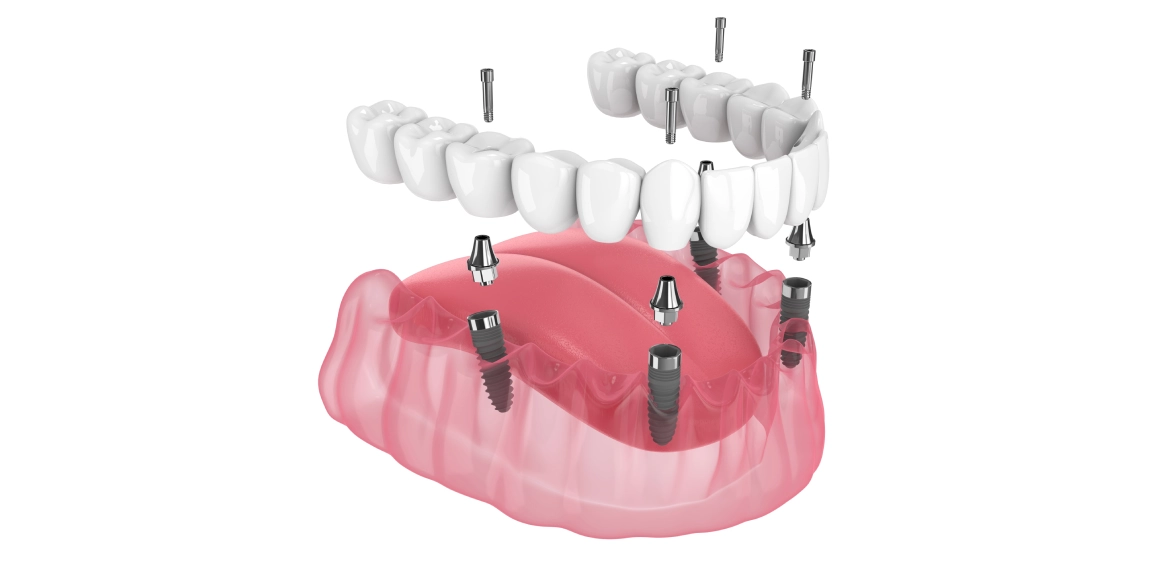
A permanent solution to missing teeth, All-on-4 dental implants offer a promising option. Designed to provide a long-term fix, the durability of All-on-4 dental implants depends on various factors, including maintenance, oral health, and lifestyle choices. Still, there is this concern: How Long Does All-on-4 Last? All-on-4 dental implants provide a long-lasting solution for tooth loss. They are designed to be durable, offering stability and functionality for many years. They are known for providing patients with a reliable and lasting solution to tooth loss.
All-on-4 Dental Implants is an advanced dental implant technique that replaces an entire arch of teeth using only four strategically placed implants. This innovative approach provides patients with a stable, functional, and aesthetically pleasing set of teeth, restoring their smile and confidence. This approach maximizes the use of available bone and reduces the need for bone grafting procedures, making it suitable for patients with bone loss. All-on-4 dental implants offer a fixed and stable solution for those with multiple missing teeth or who are seeking an alternative to removable dentures.
Ensuring the longevity of All-on-4 Dental implants requires a proactive approach to dental care:
Selecting a skilled and experienced implant dentist is crucial for the success and longevity of your All-on-4 dental implants. Look for professionals with a proven track record of successful implant procedures. Reading patient reviews and testimonials can provide insights into the dentist's skills and the satisfaction of previous patients.
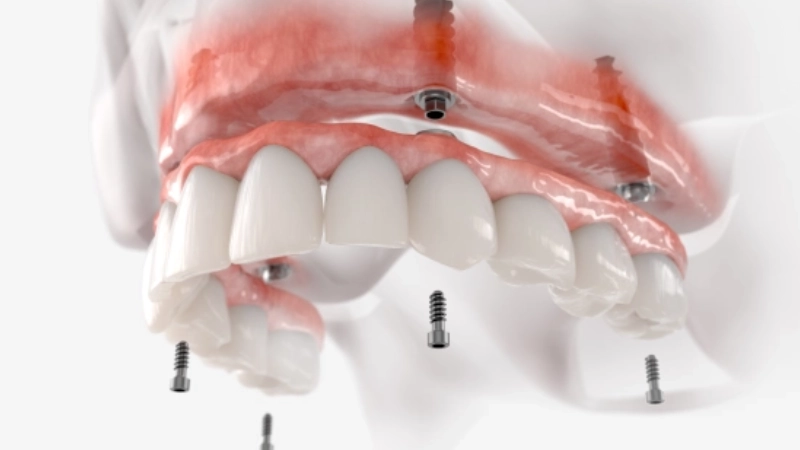
Maintaining your teeth is crucial for ensuring the longevity and success of All-on-4 dental implants. Practicing good oral hygiene, including regular brushing, flossing, and dental check-ups, helps prevent gum disease and implant-related complications, ensuring the longevity of your All-on-4 implants.
Improving your overall health is essential for maintaining the longevity and success of your All-on-4 dental implants. A healthy lifestyle, including regular exercise and a balanced diet, can positively impact your oral health and overall well-being. Adopting a healthy lifestyle, including proper nutrition, regular exercise, and stress management, supports optimal oral health and enhances the longevity of your All-on-4 implants.
When selecting a durable denture material, it's essential to consider factors such as strength, longevity, and aesthetics. One popular option is porcelain, known for its durability and natural appearance. Opt for high-quality denture materials that are resistant to wear and tear, ensuring the longevity and durability of your All-on-4 prosthesis.
To maximize the lifespan of All-on-4 dental implants, it's crucial to avoid smoking and limit the consumption of alcoholic drinks. Smoking is known to impair the body's ability to heal properly, leading to complications such as delayed wound healing and an increased risk of infection. Tobacco use and excessive alcohol consumption can compromise oral health and increase the risk of implant failure.
Adjusting your diet is essential for maintaining the longevity of All-on-4 dental implants. After the procedure, it's advisable to stick to a soft or liquid diet for the first few days to allow the implants to heal properly. Avoid hard and sticky foods that can damage your implants. Instead, opt for a balanced diet rich in nutrients to support oral health and implant longevity.
Before undergoing All-on-4 dental implants treatment, it's essential to address any issues related to teeth grinding, also known as bruxism. Teeth grinding can exert excessive force on dental implants, leading to complications such as implant failure or damage to the prosthetic teeth. By addressing tooth grinding first, patients can minimize the risk of complications and ensure the long-term success of their All-on-4 dental implant treatment.
We specialize in All-on-4 dental implants, offering a durable solution for rebuilding your smile and restoring functionality to your teeth. Our experienced implant dentists ensure personalized care to address your unique needs, guiding you through every step of the process. By choosing ZircTeeth, you gain access to advanced dental implant technology and a team dedicated to providing long-lasting results. Take the first step towards a confident and healthy smile by scheduling a consultation with us today.